Learn how to book Prague Spring Festival tickets, from the opening concert to chamber recitals. Compare seat options and buy through official channels safely.
What Prague Spring Festival Tickets Are
Prague Spring Festival tickets get you into one of Central Europe's oldest classical music festivals, held every year from mid-May into early June in concert halls across the city. The festival books international orchestras, visiting soloists, and the Czech Philharmonic for roughly three weeks of performances — anywhere from a dozen major orchestral concerts to a hundred smaller recitals, depending on the programme that year. If you're picturing tanks and student protests, you're thinking of something else entirely, and it's worth clearing that up before you book anything.
The name causes genuine confusion, especially for visitors who've only heard "Prague Spring" in a history-class context. That's a real gap worth addressing before you search for tickets.
Music Festival vs the 1968 Prague Spring
The Prague Spring International Music Festival dates back to 1946, founded shortly after the Second World War by conductor Rafael Kubelík and the Czech Philharmonic. The 1968 Prague Spring was a political liberalization movement under Alexander Dubček, crushed by the Warsaw Pact invasion in August that year — a completely separate event that happens to share the season's name. If you're researching tickets and keep hitting history articles about tanks in Wenceslas Square, you're searching the wrong "Prague Spring." There's no ticketed experience for the 1968 events beyond museum exhibits at places like the National Museum or the Museum of Communism.
How the Festival Opens in Prague
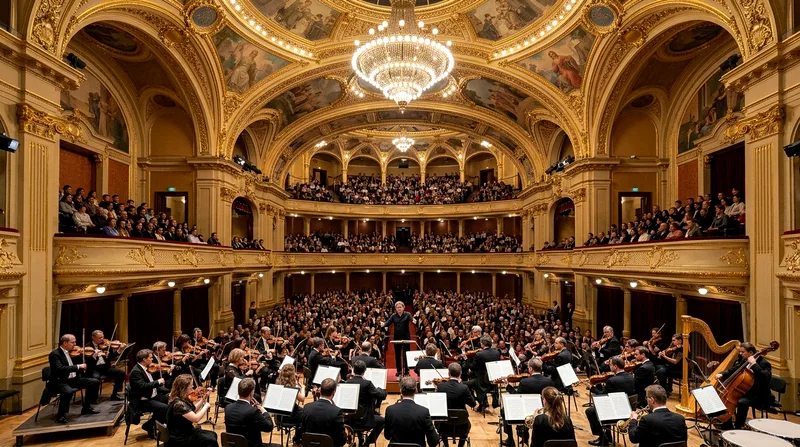
Every edition opens on May 12th, the anniversary of Bedřich Smetana's death, with a performance of his orchestral cycle Má vlast (My Country) — six symphonic poems depicting Czech landscapes and legends, including the famous "Vltava" movement evoking the river that cuts through the city. This opening concert is a fixed tradition, not a one-off gimmick, and it happens at Smetana Hall inside the Municipal House every year regardless of who's conducting. Czech dignitaries typically attend, which adds a slightly formal, state-occasion feel you won't get at a regular evening recital.
What Your Ticket Includes and Excludes
A standard festival ticket covers entry to one specific concert, at one specific venue, on one specific date — the festival doesn't sell a multi-concert pass the way some city attractions bundle sightseeing. That surprises a lot of visitors who assume a single purchase unlocks the whole programme; it doesn't work that way here, and you'll need to buy separately for each concert you want to attend.
Concert Entry and Seat Allocation
Tickets are allocated by seat and category, similar to opera or theater seating rather than general-admission festival passes. At Smetana Hall and the Rudolfinum, you'll choose (or be assigned, depending on how far in advance you book) a specific row and seat number. Arrive at least 20-30 minutes before curtain — Czech concert halls are strict about latecomers, and ushers often hold you in the lobby until a natural pause in the program, which for a continuous piece like Má vlast could mean missing the whole first half.
Extras Not Covered
Your ticket doesn't include a program booklet in most cases — those are sold separately in the lobby, often only in Czech and English, for a few hundred crowns. Coat check is usually included or very cheap, but transport, dinner, and any pre-concert talks are on you. If you want the full evening — a glass of wine in the Municipal House café beforehand, say — budget extra time and money for that separately; it's not bundled into the concert price the way some all-inclusive tourist experiences work.
Ticket Options Compared
Not every Prague Spring concert is equal in demand or price, and knowing the difference saves you from either overpaying for a seat you didn't need to fight for, or missing out because you assumed everything would be as hard to get as the opening night.
The opening concert at Smetana Hall is the priciest and hardest to book, while mid-festival chamber concerts offer easier access and lower cost.
Prague Spring Festival tickets compared by concert type and venue
| Concert Type | Typical Venue | Booking Difficulty | Best For |
|---|---|---|---|
| Opening Concert (Má vlast) | Smetana Hall, Municipal House | Very high — books out early | First-timers wanting the signature event |
| Major Orchestral Concerts | Rudolfinum (Dvořák Hall) | High | Czech Philharmonic and visiting orchestra fans |
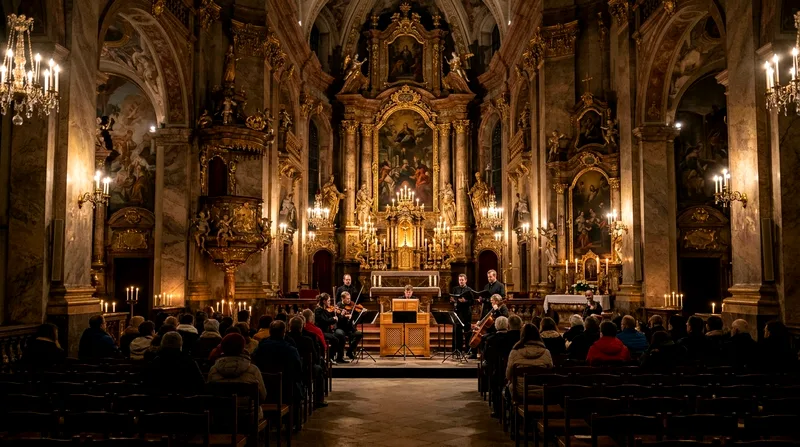
| Chamber Music Recitals | Rudolfinum (Suk Hall), smaller halls | Moderate | Couples, solo travelers wanting intimacy |
| Solo Recitals | Various smaller Prague venues | Low to moderate | Budget travelers, casual classical fans |
| Closing Concert | Smetana Hall or Rudolfinum | High | Repeat visitors, festival regulars |
Booking difficulty and venue assignments vary by festival edition; confirm the current year's program and venue map on the official festival site.
Opening Concert vs Regular Concerts
The May 12th opening concert (Má vlast at Smetana Hall) is by far the hardest ticket of the festival — demand from Czech subscribers, diplomats, and returning festival regulars means good seats often disappear within the first booking window after the season's tickets go on sale. Regular concerts throughout the following three weeks — chamber recitals, solo piano programs, visiting orchestras — are considerably easier to get, sometimes available right up to the week of the performance. If your main goal is simply experiencing live classical music in a beautiful Prague hall, skip the opening-night scramble and pick any mid-festival concert instead; you'll pay less and stress less.
Seating Categories and Venue Choice
Venues typically sell three or four price tiers — front stalls, rear stalls, and balcony or gallery seating, with price differences that can be substantial for premium orchestral nights. Smetana Hall's balcony has decent sightlines for a symphonic program where you're mainly listening anyway; for solo piano or chamber music at the Rudolfinum's Dvořák Hall, closer seats matter more because the dynamic range is quieter and more intimate. If you're deciding between a cheap balcony seat and a pricier stalls seat, let the repertoire decide — big orchestral works forgive distance, solo recitals don't.
Where and How to Book Officially
Buy directly from the Prague Spring International Music Festival's official website — it's the only source that guarantees correct seat allocation, legitimate pricing, and a ticket that will actually scan at the door. The festival typically opens booking months before the May start date, often as early as the preceding autumn or winter for the opening concert specifically.
Booking Online and Box Office Steps
The official site lists the full program by date, venue, and performer, with a seating chart for each hall so you can pick your row before paying. Payment is by card online; if you'd rather book in person, the festival maintains a physical box office in Prague — check the official site for the current address and hours rather than relying on an old travel blog post, since box office locations and hours have shifted between editions. Either way, print or save your e-ticket, and bring ID matching the booking name if asked.
Avoiding Resale and Scam Listings
Third-party resale sites and some general ticket marketplaces list Prague Spring seats at steep markups, sometimes 2-3x face value, and occasionally sell seats that don't exist or duplicate listings already sold elsewhere. I'd avoid these entirely — there's no reliable buyer protection if the seat turns out to be fake, and you have no recourse once you're standing in the Municipal House lobby being told your ticket's invalid. Street touts near Old Town and the Rudolfinum sometimes approach tourists with "spare" tickets before big concerts; treat this the same way you'd treat a similar offer near the Eiffel Tower or outside a Vienna Opera performance — politely decline and walk on.
Are the Tickets Worth It?
Whether Prague Spring tickets are worth the money depends heavily on who's asking and what else is on their Prague itinerary. For a one-night classical music outing, they're excellent value compared to similarly prestigious festivals — the Salzburg Festival in Austria, for instance, runs noticeably higher for comparable orchestral seats, and Prague's halls are arguably more architecturally striking than many purpose-built modern venues.
Classical Music Fans and First-Timers
If you already love orchestral or chamber music, this festival delivers a level of programming — visiting international orchestras, major soloists, repertoire built around Czech composers like Smetana and Dvořák — that you won't easily replicate outside Vienna or Munich's equivalent seasons. First-timers to classical concerts specifically should pick a shorter chamber program over a two-hour symphonic cycle; Má vlast is gorgeous but demanding for an unfamiliar ear, and a 60-90 minute recital is a gentler entry point.
Budget Travellers and Casual Visitors
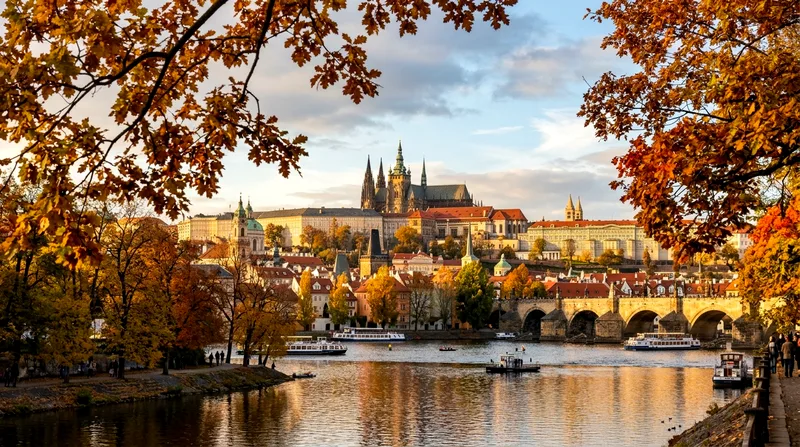
If you're traveling on a tight budget or just curious rather than committed, I wouldn't necessarily recommend chasing an opening-night seat — the price premium and booking stress aren't worth it for a casual visitor. Instead, look at the festival's lower-tier solo recitals, or skip the festival dates entirely and catch a regular-season concert at the Rudolfinum or Municipal House later in the year, which runs year-round at lower prices. Compare that against spending the evening on a Vltava river cruise or an evening walk through Old Town instead — both legitimate, cheaper ways to spend a Prague evening if classical music isn't the priority.
Frequently asked questions
Is the Prague Spring Festival the same as the 1968 Prague Spring?
No. The Prague Spring International Music Festival is a classical music event founded in 1946, held every May. The 1968 Prague Spring was a political reform movement crushed by a Warsaw Pact invasion that August. They share a name and a season but nothing else — no tickets are sold for the historical event itself, only for museum exhibits covering it.
How far in advance should I book Prague Spring Festival tickets?
For the May 12th opening concert, book as soon as sales open — often months ahead, sometimes the preceding winter. For regular mid-festival concerts, booking 4-8 weeks ahead usually secures a decent seat, and some recitals have availability right up to concert week. Check the official festival site for the exact sales calendar each year.
Where can I buy official Prague Spring Festival tickets?
Buy through the Prague Spring International Music Festival's official website, which lists the full program, seating charts, and current prices. The festival also runs a physical box office in Prague — confirm its current address and hours on the official site before visiting in person.
Which venues host Prague Spring Festival concerts?
The main venues are Smetana Hall inside the Municipal House and the Rudolfinum on the Vltava riverbank, home to the Czech Philharmonic. Smaller recitals and chamber concerts are spread across other Prague halls and churches, listed concert-by-concert on the official program.
Is the opening concert worth attending as a first-time visitor?
It's a memorable, ceremonial evening — Smetana's Má vlast performed in the hall named after him — but it's also the priciest and hardest ticket, and a demanding two-hour listen for someone new to orchestral music. First-timers often get more enjoyment, and better value, from a shorter mid-festival chamber recital.