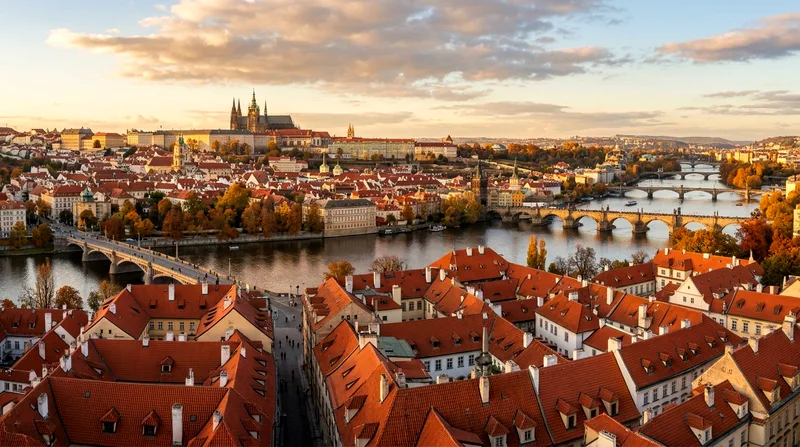
Prague Best Time to Visit: Crowds, Prices by Season
Find the best time to visit Prague. Compare crowds, tour prices and events season by season to pick the ideal month for your travel style and budget.
10 min read · 3 Nov 2026
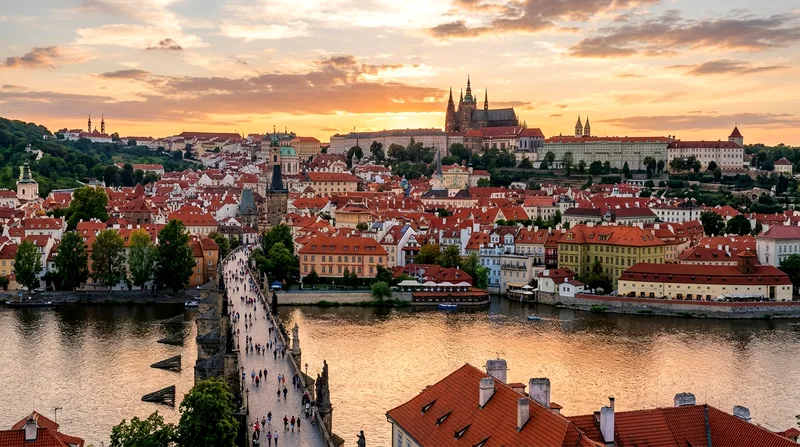
Itineraries
Plan your Prague itinerary with day-by-day plans for 1 to 3 days, plus transport tips, where to stay and bookable experiences to help you plan your trip.
This Prague itinerary is built for first-time visitors who want to see the castle, the old town, the river and at least one neighborhood that isn't crawling with tour groups — without wasting half a day figuring out logistics. It assumes you're walking most of the time, using trams for the longer hops, and want a realistic pace rather than a checklist sprint.
If you're traveling with young children, the castle hill and cobblestones will slow you down more than the timings below suggest — add 30-45 minutes per day and consider skipping the Vysehrad walk on Day 3 in favor of a boat ride, which is easier on small legs. Senior travelers should know that Prague is hillier than Vienna's old center and lacks Budapest's flat riverside promenades in some stretches; comfortable shoes aren't optional here, they're essential.
I'd avoid trying to combine Prague with a day trip to Cesky Krumlov or Kutna Hora if you only have two days in the city itself — both are worth 1 full day round-trip and will gut your Prague time. Save day trips for a third or fourth day, covered later in this guide.
Three days covers the castle, old town and local Prague at a comfortable pace, while one day forces you to choose between the castle and the old town.
Prague itinerary comparison: 1, 2 and 3 day plans by area, focus and pace
| Itinerary | Areas Covered | Main Focus | Walking Pace | Best For |
|---|---|---|---|---|
| 1 Day | Castle District, Lesser Town, Old Town | Castle, Charles Bridge, Old Town Square | Fast, no slack time | Layovers, short stops |
| 2 Days | Castle District, Lesser Town, Old Town, Josefov | Castle plus Jewish Quarter history | Moderate, one late evening | Weekend trips |
| 3 Days | Castle District, Old Town, Josefov, Vysehrad, New Town | Full city plus local neighborhoods | Relaxed, room for a day trip | First-time full visit |
Timings assume average fitness and dry weather; add 30-45 minutes per day for families with young children or mobility concerns.
One day in Prague means Castle District in the morning, Old Town and Charles Bridge in the afternoon, and accepting you'll miss Josefov and Vysehrad entirely. It's the itinerary for a layover or a quick stop between Vienna and Berlin.
Two days adds breathing room — split castle/Lesser Town and Old Town/Jewish Quarter across separate days, which is far less exhausting than cramming both into one. Three days is the sweet spot for first-timers: it adds Vysehrad and New Town, areas with far fewer tour buses, and leaves slack for a half-day trip or a boat tour without feeling rushed. If you have four or more days, use the extra time for Kutna Hora (ossuary and cathedral, about 1 hour each way by train) rather than adding a fourth day inside Prague itself — the city's core sights don't really need more than three days.
Late April to early June and September to mid-October are the best windows — mild weather, long daylight, and noticeably thinner crowds than July and August. Christmas markets (late November through December) draw huge numbers but the city does look good under lights and snow. Winter (January-February) is cold and grey but also the cheapest and quietest time to see Prague Castle without shuffling behind forty other people. Avoid peak August if you can: the heat is unpleasant for hill-climbing to the castle, and Charles Bridge becomes nearly impassable by midday.
Day 1 covers the highest, oldest part of the city and ends by crossing the river into Old Town — a natural geographic flow that avoids backtracking.
Start by 9am, ideally earlier — Prague Castle is the single most visited site in the country and tour groups arrive in waves from mid-morning. Take tram 22 up toward Pražský hrad stop rather than walking the steep approach from Malostranská if you want to save your legs for later. Inside the complex, St. Vitus Cathedral is the obvious centerpiece — its spires are visible from most of the city, and the stained glass inside (including a window designed by Alphonse Mucha) is worth the slow walk around the nave. Budget 2.5 to 3 hours for the castle grounds, the cathedral, and the Old Royal Palace if you're going inside rather than just viewing the courtyards. Note that the full interior ticket covers multiple buildings and queues can run long in peak season — buying a timed ticket online in advance is genuinely worth it here, more so than almost anywhere else in the city.
Head downhill into Lesser Town (Malá Strana) for lunch — this neighborhood has fewer tourist-trap restaurants than Old Town Square, though it's still not cheap. Wander the quieter streets around Nerudova and the Wallenstein Garden before tackling Charles Bridge itself. Crossing between 3 and 5pm means moderate crowds; crossing after 7pm in summer means golden light and street musicians but still plenty of company. If you want the bridge close to empty, that means sunrise, around 5:30-6am in summer — genuinely worth doing on a return trip if you missed it this time. A sunset river cruise on the Vltava is the one experience worth booking ahead for Day 1; slots fill up in the evening especially from spring through autumn, so reserve before you arrive rather than hoping to walk up. If it's raining, swap the cruise for the Lobkowicz Palace museum inside the castle complex, or the Kampa Museum down by the river — both are indoor, less crowded alternatives that still fit the day's geography.
Day 2 stays mostly flat and walkable, a relief after Day 1's hill climbing, and covers the sights most people picture when they think of a Prague itinerary.
Arrive at Old Town Square by 9am to see the Astronomical Clock's hourly show without fighting through the crowd that builds from 10am onward — the medieval clock mechanism itself is more interesting up close than the brief figure show on the hour, so don't over-hype it. Climb the Old Town Hall Tower for a rooftop view over the square's Gothic and Baroque facades; it's less visited than the castle viewpoints and the elevator means it's manageable for most fitness levels. Spend the rest of the morning wandering the narrow streets toward Týn Church and the Municipal House, both worth a look from outside even if you skip the interiors.
Josefov, the old Jewish Quarter, sits just north of Old Town Square and is one of the more emotionally weighty stops on any Prague itinerary. The Old Jewish Cemetery, with its densely stacked gravestones, and the Pinkas Synagogue, which lists the names of Czech Holocaust victims on its walls, both deserve unhurried time — budget at least 2 hours for the combined ticket covering the main synagogues and cemetery. This isn't a quick photo stop; go in with the right mindset. In the evening, head back toward Old Town for dinner, then consider a walking tour focused on local history or legends — a good one covers ground you've already walked but adds context you'd otherwise miss, like the real story behind the Astronomical Clock's legend of blinding its maker. If your legs are done by mid-afternoon, skip the walking tour and instead take a slow tram loop — trams 17 or 18 run along the river and give you a seated view of both banks for the price of a single transport ticket.
Day 3 moves south, away from the dense tourist core, into areas that feel more like the city Praguers actually live in — this is the day I'd prioritize over a day trip if you're choosing between the two.
Take the metro (line C) to Vyšehrad station and walk up into this hilltop fort, which predates the castle by some accounts and gets a fraction of the visitors. The views over the Vltava from the ramparts rival the castle's, and the Vyšehrad Cemetery holds the graves of Czech cultural figures including composer Antonín Dvořák, laid out among well-tended gardens rather than crammed rows. Plan 1.5 to 2 hours here — it's compact enough not to need more, and quiet enough that it's a genuine contrast to the previous two days.
Walk or tram back north into New Town (Nové Město) and Wenceslas Square — less a square than a broad boulevard, lined with shops and the site of major moments in modern Czech history, including the 1989 Velvet Revolution protests. It's not as pretty as Old Town Square and some visitors find it underwhelming after the medieval streets; that's fair, but it's worth 30-40 minutes for the history and the National Museum building at its head. Spend the rest of the afternoon in the Vinohrady district if you want a genuinely local feel — leafy streets, neighborhood cafes, none of the souvenir shops. This is also a good day to slot in an evening concert, since Prague has a strong tradition of classical performances in smaller venues and churches around New Town.
Prague's historic core is walkable, but the hills around the castle and the distances between Vysehrad and Old Town mean you'll want public transport in your pocket for at least some of the trip.
A single transport ticket covers trams, metro and buses, and you validate it once at the start of a journey — tickets come in short-term (roughly 30 minutes) and longer options (roughly 90 minutes), with multi-day passes available if you're doing this three-day itinerary and riding often. Trams 22 and 23 are the ones you'll use most, running past the castle and through Lesser Town. The metro's three lines (A, B, C) are fast but mostly useful for longer hops — Vysehrad on Day 3, or getting to/from a train station. Compared to Vienna's U-Bahn, Prague's metro is smaller and less thorough, so expect more walking and tram use here than you would there. Don't bother with taxis for anything inside the core — traffic and one-way systems make trams faster more often than not.
Old Town and Lesser Town put you closest to the sights but come with noise and inflated restaurant prices right on the main squares — a street or two back solves both problems. Vinohrady is a strong choice for a quieter, more residential stay with good tram links into the center, popular with longer-stay visitors and families. New Town, around Wenceslas Square, offers more mid-range hotel options and easy train station access, useful if you're arriving by rail from Vienna, Budapest, or Munich. I'd avoid staying right next to Old Town Square itself — it's loud until late and you're paying a premium for a location you can walk to in ten minutes from somewhere cheaper.
Beyond the three core days, a few experiences are worth reserving ahead rather than leaving to chance, especially in peak season.
A sunset or evening river cruise on the Vltava is the standout bookable add-on — it gives you the castle and Charles Bridge from an angle you can't get on foot, and evening departures in particular tend to fill up from late spring through early autumn. A guided walking tour of Old Town and Josefov adds historical context that's easy to miss wandering alone, especially around the Jewish Quarter where the context matters. Food and beer-focused walking tours are also widely available and a reasonable way to fill a free evening on Day 2 or 3. Compare current river cruise and walking tour options and prices before you book, since availability shifts by season and day of week.
If you're staying four days or more, Cesky Krumlov makes a striking full-day trip — about 2.5 to 3 hours each way by bus or train, built around a river bend with its own castle, though the long travel time means it eats most of a day. Kutna Hora is a far more efficient half-day to full-day trip, roughly 1 hour each way by train, built around the Sedlec Ossuary (decorated with human bones) and a UNESCO-listed cathedral. Dresden and Krakow are both reachable by direct train in 2-4 hours and work better as multi-day extensions than day trips. I wouldn't try to squeeze a day trip into a three-day Prague itinerary — it's better suited to a fourth or fifth day, once you've actually covered the city itself.
Three days is enough to cover the castle, Old Town, Josefov and Vysehrad at a reasonable pace without rushing. Two days works if you're efficient and willing to skip Vysehrad or New Town. One day only allows the castle and Old Town core — pick one area to focus on if you're that tight on time.
Walking covers most of the historic core, but trams (especially lines 22 and 23) handle the hills around the castle and longer hops to Vysehrad. A single ticket covers tram, metro and bus, validated once per journey; multi-day passes are worth it for a three-day stay. Taxis rarely beat trams for speed in the center.
Old Town or Lesser Town for proximity to sights, though a street or two back from the main squares avoids the worst noise and prices. Vinohrady suits travelers who want a quieter, more residential base with easy tram access into the center.
You can see the castle, St. Vitus Cathedral, Charles Bridge and Old Town Square in one long day, starting by 9am. You'll miss Josefov and Vysehrad entirely, and it will feel like a sprint rather than a visit — fine for a layover, not ideal otherwise.
Late April to early June and September to mid-October offer mild weather and smaller crowds than peak summer. Christmas markets in December draw heavy crowds but add real atmosphere. Avoid August if possible — heat makes the castle hill and Charles Bridge far less pleasant.
Find the best time to visit Prague. Compare crowds, tour prices and events season by season to pick the ideal month for your travel style and budget.
10 min read · 3 Nov 2026
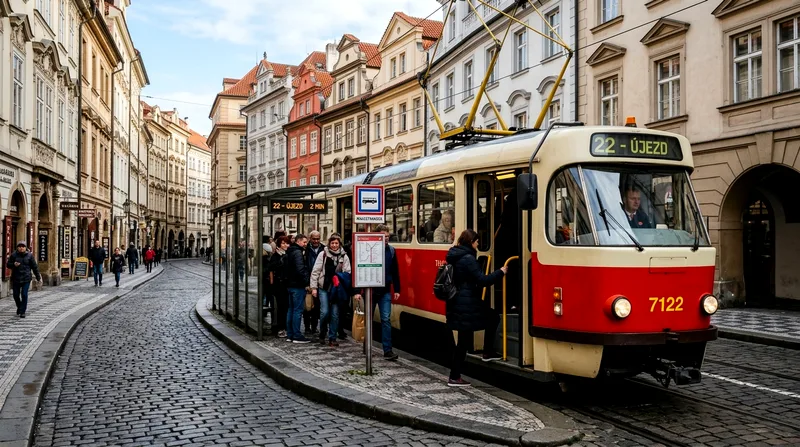
Compare Prague tickets for public transport, from short-trip fares to the 24 hour pass. See senior and child discounts, buy in the app and avoid fines.
9 min read · 3 Nov 2026
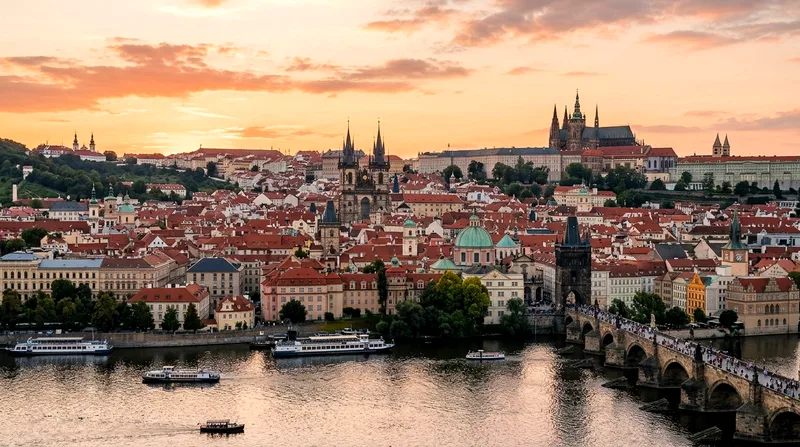
Prague vs Vienna compared on budget, culture, family appeal and day trips, plus a simple train-linked itinerary to see both cities on one trip.
10 min read · 3 Nov 2026
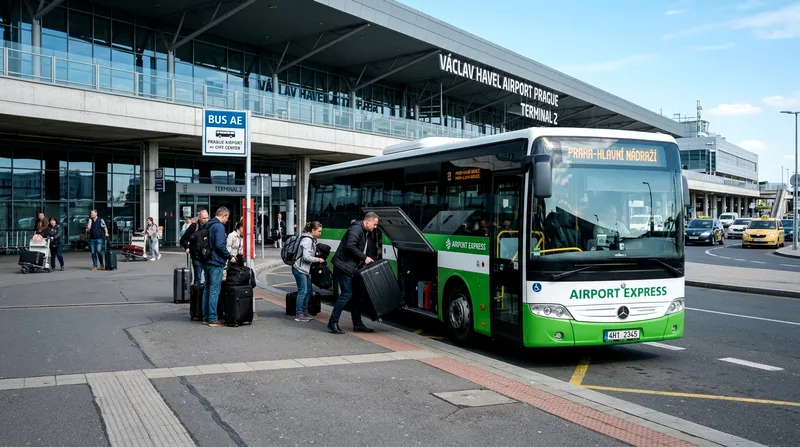
Wondering how to get from Prague airport to the city center? Compare the express bus, taxis and private transfers on cost, time and luggage to choose fast.
10 min read · 3 Nov 2026
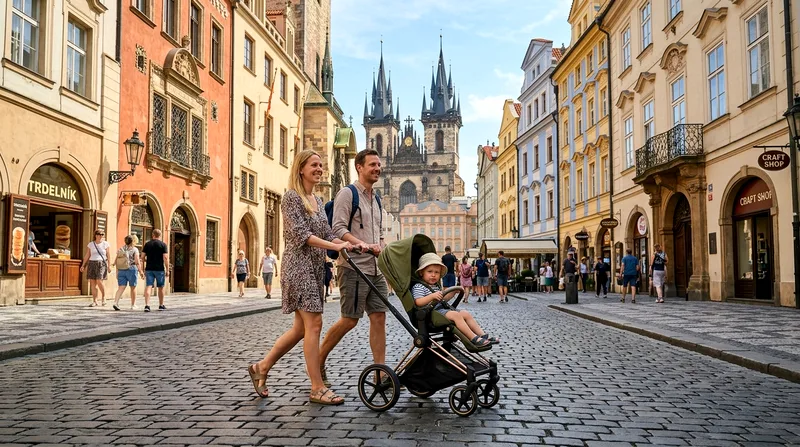
Plan Prague activities for kids with our family guide: compare tour types, find stroller-friendly routes, and learn what to check before booking family tours.
10 min read · 3 Nov 2026
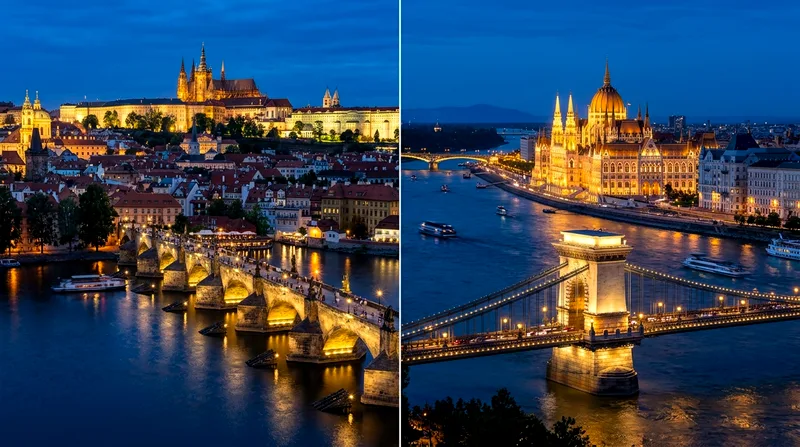
Prague vs Budapest compared on sights, costs, tours and atmosphere. See which city suits your travel style and how to combine both in one trip.
10 min read · 3 Nov 2026
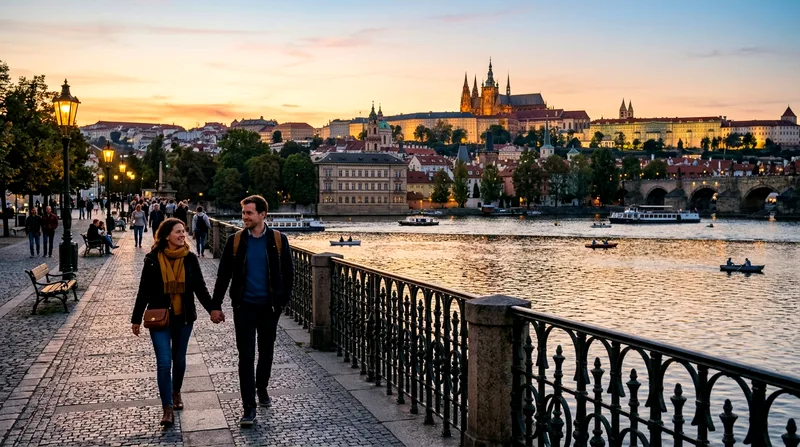
A 5-day Prague itinerary at a gentle pace: Vysehrad, local lanes, a cross-border day trip, plus where to stay for couples and seniors.
11 min read · 3 Nov 2026
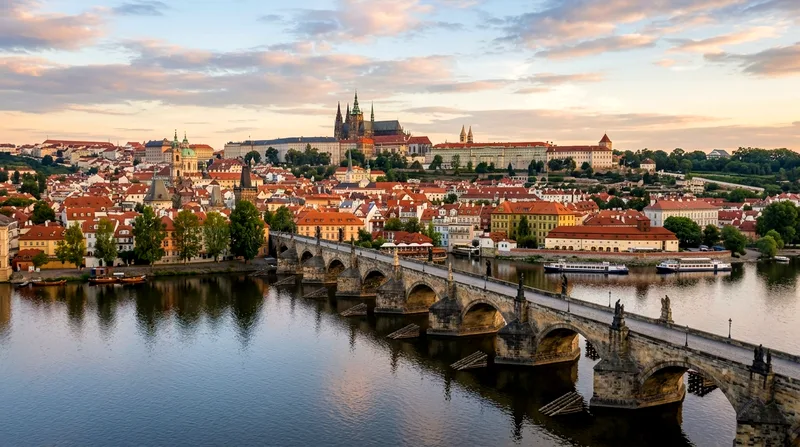
Planning your trip? See the best things to do in Prague, ranked by which experiences to pre-book and which you can simply turn up for, plus tour tips.
9 min read · 3 Nov 2026
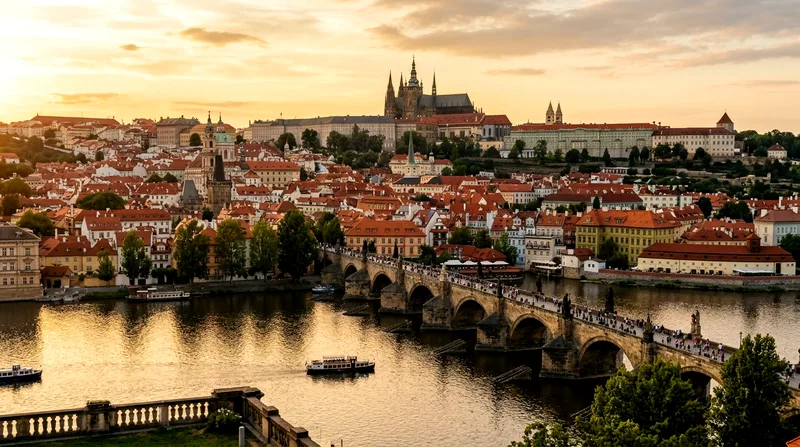
Plan 4 days in Prague with a day trip to Kutna Hora or Karlstejn: a day-by-day route covering castle, Old Town, food and beer, plus where to stay.
11 min read · 3 Nov 2026
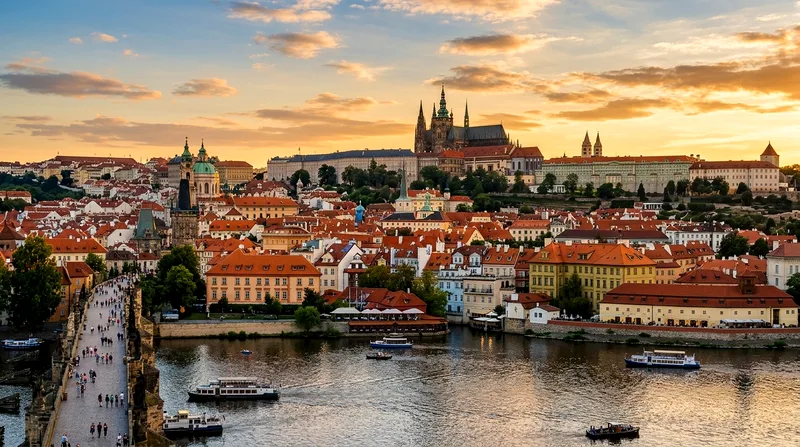
Plan 3 days in Prague with this first-timer's itinerary: Prague Castle, Old Town, the Jewish Quarter and a river cruise, plus a pre-book list for every day.
10 min read · 3 Nov 2026