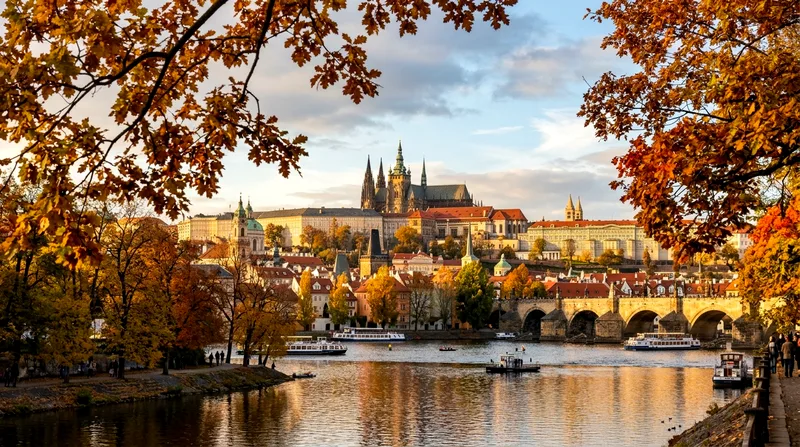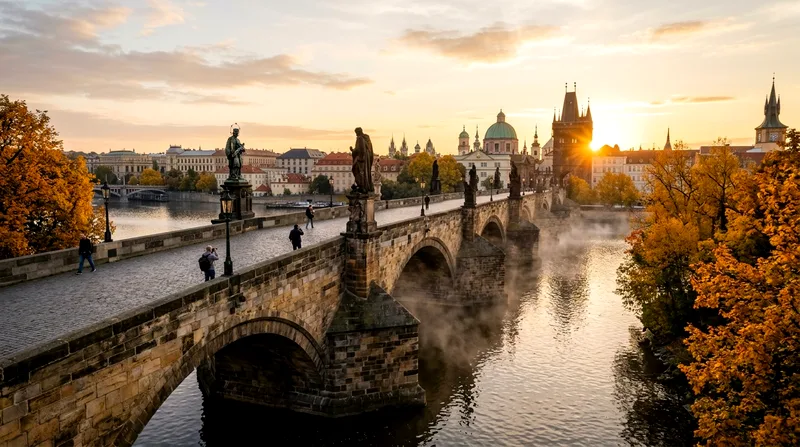
Plan Prague in winter with indoor-friendly tours, ice rinks and heated cruises. Compare tour types for families and seniors from January to March.
Which Winter Tours Suit Which Travelers
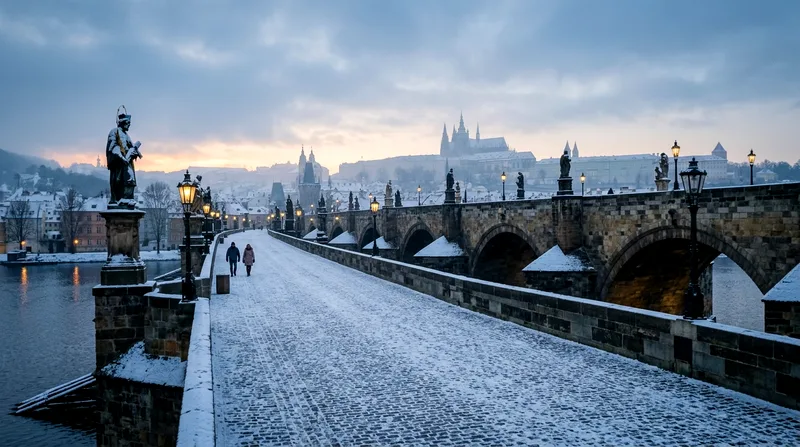
Prague in winter is a different city from the one on postcards sold in July. Temperatures sit between about -2°C and 5°C from January to March, the Vltava River sometimes carries thin ice near the banks, and Old Town Square empties out enough that you can actually see the astronomical clock without ten phones blocking the view. The trade-off is daylight — sunset comes around 4:30pm in January — and the occasional week of grey drizzle that makes walking tours feel like an endurance test rather than a pleasure.
The right tour choice depends heavily on who's traveling. A solo traveler with flexible time can chase good weather windows and book last-minute. A family with a six-year-old cannot, and needs built-in breaks, bathrooms, and something warm to drink within reach. Couples often want the romantic version — mulled wine, candlelit interiors, fewer crowds for photos — while seniors need honest information about cobblestones, stairs, and how long they'll be standing outside.
I'd avoid any tour description that promises an all-outdoor walking experience lasting more than two hours in winter without a stated indoor stop. That's a recipe for a miserable second half, no matter how good the guide is.
Families with kids
Kids handle cold reasonably well for short bursts but lose patience fast once boredom sets in. For winter visits, prioritize tours under 90 minutes outdoors, or ones that alternate indoor and outdoor stops — Prague Castle's interiors (St. Vitus Cathedral, the Old Royal Palace) work well because kids can warm up between courtyard walks. Skip anything billed as a "walking tour of Prague's architecture" lasting three-plus hours; even adults find that long in January. A heated Vltava cruise is often the single best-value booking for families because it delivers castle and bridge views without anyone standing in the wind.
Seniors and low-mobility visitors
Prague's Old Town and Castle District are heavy on uneven cobblestones, and winter adds the risk of ice patches, especially on the steps up to Prague Castle or around Petřín Hill. For seniors, private tours with a car or van between stops are worth the extra cost over a group walking tour — they cut out 20-30 minutes of standing around and let you skip sections that involve stairs. River cruises are an easy win here too: minimal walking, seated throughout, heated cabin. Always ask directly whether a tour involves hills or long cobblestone stretches before booking; most listings don't volunteer that detail unless you check the itinerary closely.
Main Winter Tour Categories Compared
Winter tours in Prague generally fall into five categories: walking tours (historical, food, or themed), museum and castle tours, river cruises, day trips outside the city, and specialty experiences like beer or wine cellar tastings. Each has a different relationship with cold weather, and that relationship matters more in January than it does in June.
Walking tours remain popular because Prague's Old Town, Charles Bridge, and the Jewish Quarter are genuinely best explored on foot — but in winter, look specifically for ones under two hours or with a café/indoor stop built in. Museum and castle tours shift the balance indoors, which is exactly what you want on a sub-zero day. River cruises, particularly heated ones, have become one of the more popular winter bookings precisely because they solve the cold problem entirely. Day trips to Kutna Hora or Český Krumlov are worth it in winter if you don't mind shorter daylight for photos, though Český Krumlov's steep lanes get slippery and Kutna Hora's ossuary and churches are indoor anyway, making it a reasonably winter-friendly choice.
Heated river cruises and museum tours involve the least outdoor exposure, making them the safest winter picks for families and seniors.
Prague winter tour categories compared for warmth, walking and suitability
| Tour Type | Typical Duration | Outdoor Walking | Best For | Booking Flexibility |
|---|---|---|---|---|
| Walking tour (historical) | 1.5-3 hours | High | Solo travelers, couples | Low, fixed schedule |
| Museum/castle tour | 1.5-2.5 hours | Low-moderate | Families, seniors | Moderate |
| Heated Vltava cruise | 1-2 hours | Minimal | Families, seniors, couples | Moderate |
| Food/cellar tour | 2-3 hours | Low | Couples, solo travelers | Moderate |
| Day trip (Kutna Hora) | Full day | Moderate | European travelers, world travelers | Low |
| Day trip (Cesky Krumlov) | Full day | High, icy lanes | Couples, photographers | Low |
| Private custom tour | Flexible | Adjustable | Seniors, families with kids | High |
Durations and walking levels are typical; always confirm indoor stops and cancellation terms before booking.
Private vs group tours
Group tours are cheaper and run on fixed schedules, which works fine in shoulder season but becomes a gamble in deep winter — if the weather turns bad, the group tour usually still goes ahead regardless. Private tours cost more, typically somewhere between 1.5 and 3 times a group tour per person depending on group size, but they offer flexibility to shorten outdoor segments, adjust pace for kids or seniors, and sometimes swap the route if it's actively sleeting. For a short winter trip of two or three days, I'd lean toward one private tour for the worth seeing sites (Castle, Old Town) and group or self-guided for the rest to manage cost.
Comparison table of tour types
See the table below for how the main categories stack up on warmth, walking demands, and who they suit best. Use it as a starting filter, then check current prices and reviews for specific listings before booking.
Indoor Tours and Heated Cruises
When the forecast looks grim, indoor things to do in Prague aren't a fallback — they're often the better choice outright. The city has enough interior depth, from Gothic cathedrals to medieval cellars, that you won't feel like you're settling for a backup plan.
Castle, museum and cellar tours
Prague Castle itself is a complex of courtyards and buildings, not a single indoor space, so a castle tour in winter still involves some outdoor walking between St. Vitus Cathedral, the Old Royal Palace, and St. George's Basilica — budget for cold stretches of 5-10 minutes between entries. The Jewish Quarter's synagogues and the Old Jewish Cemetery visitor areas are mostly indoor or covered, making this one of the more comfortable half-day options in January. Beer and wine cellar tours, often set in medieval vaulted basements, are entirely indoor and pair well with a short outdoor walk beforehand — a reasonable way to warm up after seeing Old Town Square. I'd skip any "panoramic city tour" that's advertised as fully outdoor in winter; the view from Petřín Hill or Letná Park is lovely, but ten minutes is usually enough before the wind off the river gets uncomfortable.
Heated Vltava cruises
A heated Vltava cruise is arguably the single best winter booking in Prague for anyone sensitive to cold. Boats with enclosed, heated cabins run through the colder months, typically lasting one to two hours, passing Charles Bridge, Prague Castle, and the National Theatre from the water. Some include a light lunch or coffee service. The catch: visibility on a grey, drizzly day is weaker than on a clear winter afternoon, and if the river has a weather-related restriction (rare, but possible in a hard freeze), schedules can shift. Compare current cruise options and prices before you book, since boat size, heating quality, and included food vary noticeably between listings.
Ice Skating and Family Winter Activities
Winter activities in Prague aren't limited to tours — seasonal ice rinks and markets give families and couples something to do without booking anything at all, and they're worth building a free afternoon around.
Ice rinks and outdoor options
Prague typically sets up seasonal outdoor ice rinks in central locations, including one near Old Town Square area during the Christmas market period (which often extends into early January) and others in parks around the city. Skate rental is usually available on-site for a modest fee. These rinks are a good low-commitment activity for families with kids aged five and up — plan for 45 minutes to an hour of skating, since smaller children tire quickly on the cold ice. Letná Park, separately, is good for sledding if there's been recent snow, though Prague doesn't get heavy, reliable snowfall every winter, so don't build a trip entirely around it.
Warm-up stops and breaks
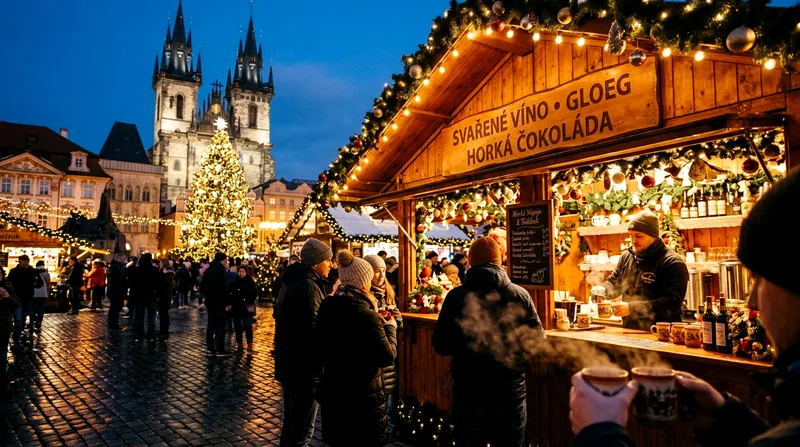
The practical skill for a winter trip with kids or seniors is scheduling warm-up stops before anyone gets genuinely cold, not after. Traditional pubs and cafés near Old Town Square and the Jewish Quarter are easy to duck into for hot chocolate, mulled wine (svařák), or a bowl of goulash. If you're building your own itinerary rather than booking a packaged tour, plan one indoor stop for every 45-60 minutes outside — that ratio works well for both toddlers and grandparents, even if it feels overly cautious to a fit solo traveler.
What to Check Before Booking
Winter tour listings don't always spell out the details that matter most in cold weather, so it's worth reading past the headline description before you commit.
Inclusions, heating and group size
Check whether "heated cruise" means the whole boat or just part of it — some older vessels have a heated lower deck but an open upper deck, which is fine if you want photos but cold if you plan to stay up there. For castle or walking tours, ask whether entry tickets are included or need to be purchased separately, since skipping a ticket line matters more in winter when you don't want to stand outside waiting. Group size also affects comfort: a group of 20 moving slowly through a cold courtyard is worse than a group of 8, so smaller-group or private options are worth the premium for winter specifically, even if you wouldn't bother in summer.
Weather cancellation policies
Ask directly what happens if there's heavy snow, ice, or a cold snap below -10°C — rare in Prague but not impossible in January or February. Reputable operators should offer rescheduling or a refund for weather-related cancellations; ones that don't mention any policy at all are a yellow flag. For river cruises, confirm whether the operator cancels in fog (which does happen on the Vltava a few times most winters) and what the rebooking process looks like. Always compare current prices and cancellation terms when booking, since these details shift between operators more than the tour content itself.
When to Book Winter Tours
Prague winter tours generally need less advance planning than summer ones — this is the city's off-season, and availability is rarely the bottleneck. Timing your booking well is more about matching it to weather patterns and crowd periods than beating a sellout.
January to March timing
January and February are the coldest and quietest months, with the shortest days — useful for low crowds at Prague Castle and Charles Bridge, less useful if you want long afternoons outside. March starts warming slightly, with daylight stretching toward 6:30pm by the end of the month, and it's a reasonable compromise if you want winter prices without the harshest cold. Booking a week or two ahead is usually plenty for most tours and cruises in this window; same-day or next-day booking is often possible too, which gives you room to check the forecast first and pick your outdoor-heavy tours on the clearer days.
Holiday and school break periods
The exception to "book last-minute" is the period around Christmas and New Year, when Prague's markets draw large numbers of European travelers for short breaks, and popular cruises or castle slots can fill up days in advance. European school holidays (varying by country, often mid-to-late February) also bring a smaller bump in family travelers. If your trip falls in either window, book your top one or two priorities — the cruise, the castle tour — at least a week out, and leave the rest flexible.
Frequently asked questions
Is Prague worth visiting in winter?
Yes, particularly if you value smaller crowds over mild weather. Old Town Square, Charles Bridge, and Prague Castle are noticeably quieter from January to March than in summer, and hotel rates typically drop. The trade-off is cold temperatures (around -2°C to 5°C), shorter daylight, and occasional grey, damp days that make outdoor sightseeing less comfortable.
What are the best indoor tours in Prague when it's cold?
Castle and cathedral interiors (St. Vitus Cathedral, the Old Royal Palace), the Jewish Quarter's synagogues, and beer or wine cellar tours in medieval basements are the most reliably indoor options. Museum tours covering Czech history or decorative arts also work well as full-day winter alternatives to walking tours.
Do Vltava river cruises run in winter?
Yes, heated cruises with enclosed cabins typically run year-round, including January and February, usually lasting one to two hours. Fog occasionally causes delays or cancellations a few times each winter, so check the operator's weather policy and compare current schedules before booking.
Is Prague good for kids in winter?
It can be, if you build in frequent warm-up breaks and avoid long outdoor walking tours. Ice rinks, heated cruises, and castle interiors work well for families; plan for shorter outdoor stretches of 45-60 minutes at a time with kids under ten.
Are Prague winter tours suitable for seniors?
Many are, especially private tours, river cruises, and museum visits that minimize walking on icy cobblestones. Ask specifically about stairs, hills, and walking distance before booking a group walking tour, since Prague's Castle District and Petřín Hill involve inclines that get slippery in freezing conditions.