Find the best Prague classical concert tickets. Compare churches, the Rudolfinum and the Estates Theatre, spot tourist filler and book through trusted channels.
What Prague Classical Concert Tickets Cover
Prague classical concert tickets vary enormously depending on whether you're buying into a full orchestral season at the Rudolfinum, a one-off opera at the Estates Theatre, or a 60-minute chamber recital in a baroque church near the Old Town Square. The word "concert" covers all of it, which is exactly why so many visitors end up disappointed — they expect a philharmonic sound and get four string players and a keyboard.
A ticket to a resident-orchestra concert, like the Czech Philharmonic or Prague Symphony Orchestra, buys you a full program, usually 90 minutes to two hours with an interval, performed by a standing institution with its own rehearsal schedule and conductor roster. A ticket to a church concert typically buys a shorter, unamplified or lightly amplified program — often 60 minutes, no interval — performed by a smaller ensemble that may or may not be a fixed, named group. Opera and ballet tickets at the National Theatre or State Opera cover a full production with sets, costumes, and surtitles, usually in Czech and English or German.
None of these tickets typically include transport, a program booklet in every language, or guaranteed coat check — check the venue's own site for what's included, since policies differ between institutions. Dress code is rarely enforced on paper but matters in practice, which I'll get to further down.
The Rudolfinum and Estates Theatre offer the most reliable quality, while church concerts vary widely depending on the ensemble.
Prague classical concert venues compared: orchestras, opera and churches
| Venue | Typical Program | Duration | Best For | Booking Lead Time |
|---|---|---|---|---|
| Rudolfinum (Dvořák Hall) | Full orchestral concert, Czech Philharmonic | 90–120 min | Serious music lovers, special evenings | Weeks ahead for good seats |
| Municipal House (Smetana Hall) | Orchestral concert, Prague Symphony Orchestra | 90–120 min | First-timers, architecture lovers | 1–2 weeks ahead |
| Estates Theatre | Mozart opera (often Don Giovanni) | 2.5–3 hrs with interval | Opera first-timers, Mozart fans | 2–4 weeks ahead for prime dates |
| National Theatre / State Opera | Full opera or ballet repertory | 2.5–3.5 hrs | Opera and ballet regulars | Weeks ahead, varies by production |
| Church concerts (St. Nicholas, St. Francis, others) | Chamber ensemble, often Vivaldi, Bach, Mozart selections | 60 min, no interval | Short evenings, budget-conscious visitors | Often available day-of |
Typical figures based on standard programming; always confirm exact runtime, program and seating on the venue's official site before booking.
What a ticket usually includes and excludes
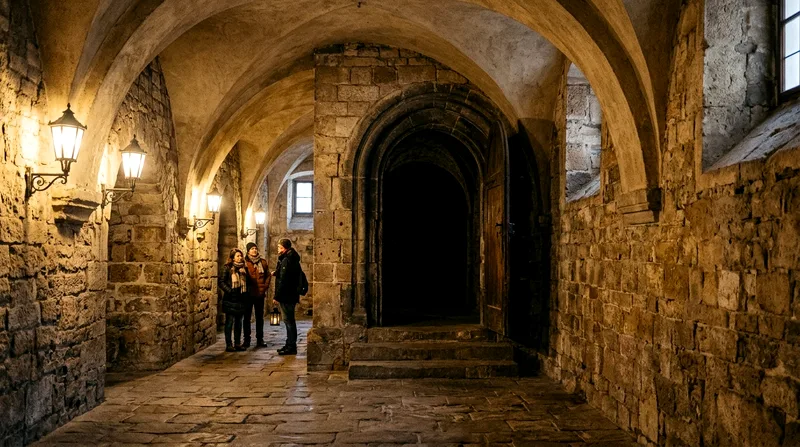
Expect your ticket to cover admission and an assigned or general-admission seat, nothing more. Churches rarely have heating turned up high in spring and autumn, so a ticket doesn't include comfort — dress warmly for an evening in Church of St. Nicholas or St. Francis of Assisi in the shoulder season. Major halls like the Rudolfinum and Municipal House have cloakrooms, usually free or for a small tip, and printed programs are often included or sold for a nominal fee at the door. Opera tickets at the Estates Theatre or State Opera include surtitles in at least English; confirm the language options on the National Theatre's official site before booking if that matters to you.
Seat categories and what they mean
In the big halls, seat categories follow the obvious logic: stalls (parter) close to the stage cost more than balcony or gallery seats, and side seats with partial sightlines are cheaper still. At the Estates Theatre, a small baroque house, there genuinely isn't a bad seat — even upper boxes feel close given the theatre's scale. At the Rudolfinum's Dvořák Hall, the acoustics are good throughout, so budget seats in the upper tiers are a reasonable way to save money without losing much of the experience. Church concerts usually have unassigned seating, so arriving 15–20 minutes early gets you a better pew.
Churches, Halls and Opera Houses Compared
Prague's classical scene splits into three real categories, and conflating them is the single biggest mistake buyers make. Concert halls host resident professional orchestras with a season-long commitment to quality. Opera houses stage full productions. Churches host everything from genuinely good chamber ensembles to tourist-circuit groups playing the same five pieces nightly, regardless of who's listed on the poster.
Rudolfinum and Municipal House
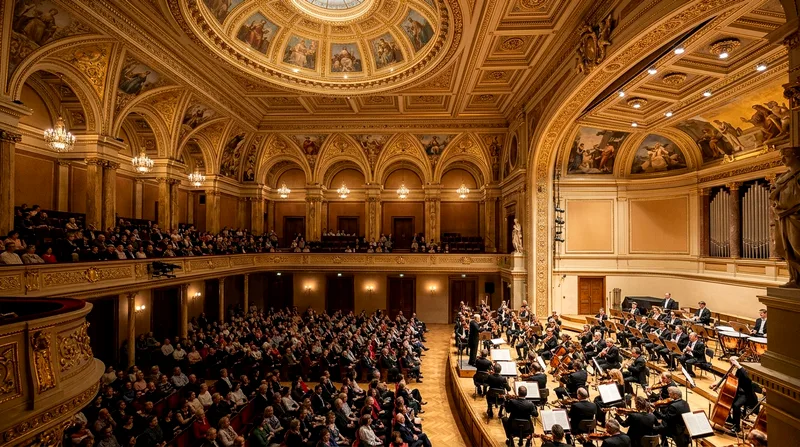
The Rudolfinum is home to the Czech Philharmonic and is, by most reasonable measures, the best address for orchestral music in the city — Dvořák Hall has genuinely excellent acoustics and a historic pedigree (Dvořák himself conducted its opening concert in 1896). The Municipal House, with its Art Nouveau Smetana Hall, hosts the Prague Symphony Orchestra and is nearly as good a bet, with the added bonus of one of the most ornate foyers in Central Europe — worth arriving 30 minutes early just to see it. Both venues publish full season calendars on their own websites months ahead, so if you have specific dates, check early; good seats for a Czech Philharmonic subscription concert can sell out weeks in advance, especially for well-known conductors or soloists.
Estates Theatre and State Opera
The Estates Theatre matters historically — Mozart premiered Don Giovanni there in 1787, and the theatre still stages his operas regularly, often as a deliberate nod to that history. It's a small, gorgeous 18th-century house, and seeing Don Giovanni or The Marriage of Figaro there has a resonance you don't get elsewhere, even compared to Vienna's grander houses. The Prague State Opera, and the National Theatre itself, stage larger-scale opera and ballet productions with full orchestras, and tend to be less purely "Mozart tourism" and more a real repertory season — worth it if you want Verdi, Puccini, or Czech opera by Smetana or Janáček rather than just Mozart. Compare this to Budapest's Hungarian State Opera, which has arguably grander architecture but a less unique historical claim than the Estates Theatre's link to Mozart.
How to Spot Quality Concerts, Not Filler
Prague has a genuine problem with tourist-trap classical concerts, more so than Vienna or Budapest, partly because the city's churches are so visually suited to candlelit chamber recitals that promoters lean on the aesthetic rather than the music. That doesn't mean all church concerts are bad — some are excellent — but the ratio of filler to quality is worse here than in the major halls.
Red flags in programmes and listings
Be wary of posters advertising "Best of Vivaldi, Mozart and Bach" with no named performers, or ensembles with generic names like "Prague Festival Orchestra" that don't correspond to any real, permanent institution — a trick also common in Vienna, where similarly vague "Festival Orchestra" names circulate. If a listing doesn't name a conductor, soloist, or specific ensemble with a verifiable history, that's a sign the program is assembled nightly from available freelancers rather than a rehearsed group. Flyer sellers on Charles Bridge or near Old Town Square are the main distribution channel for these — a legitimate venue rarely needs street hawkers.
Resident orchestras versus ensembles
A resident orchestra — the Czech Philharmonic at the Rudolfinum, the Prague Symphony Orchestra at the Municipal House — rehearses together across a season and has institutional standards to maintain. A touring or ad-hoc chamber ensemble booked into a church for the summer season can be excellent or mediocre, and there's no season-long reputation forcing consistency. This isn't snobbery: it's the same reason a touring pickup band is a gamble compared to an orchestra with a 125-year history. If you want a safer bet with less research, pick the resident orchestra; if you want atmosphere and don't mind some risk, a church concert in a striking building like St. Nicholas can still be worthwhile.
Where and How to Buy Tickets
Buying Prague classical concert tickets is straightforward once you know where to look, and the official route is almost always cheaper and more reliable than third-party resellers or street agents.
Official box offices and venue websites
The Rudolfinum, Municipal House, National Theatre, and Prague State Opera all run their own ticketing through their official websites, and each has a physical box office on-site if you prefer to buy in person. Buying direct avoids the booking fees and sometimes inflated markups charged by resale sites and hotel concierge desks. For church concerts, legitimacy varies — some have a proper website and listed ensemble, others only exist as a stack of flyers, which itself tells you something about reliability. If a church concert has no searchable website, treat that as a caution sign rather than a dealbreaker, but lower your expectations accordingly.
Booking for tonight versus in advance
If you're searching for Prague concerts tonight, your options narrow fast but don't disappear — church concerts and smaller ensemble recitals often have same-day tickets available at the door, sometimes with a modest discount for turning up in person. For the Rudolfinum, Municipal House, or opera houses, last-minute seats do turn up, especially for weeknight performances outside peak summer season, but popular Friday and Saturday orchestral or opera dates can sell out a week or more ahead. If your trip dates are fixed and you have a specific orchestra or opera in mind, book at least two to three weeks out; if you're flexible and just want "a good concert," you can often decide the afternoon of.
Which Concert Suits Which Traveller
Not every concert suits every traveler, and matching the venue to your group matters more than chasing the single "best" option.
First-timers, couples and families
For a first Prague concert, I'd point couples and families with older children (roughly age 10 and up) toward either a Mozart opera at the Estates Theatre or an orchestral evening at the Municipal House. Both venues are visually spectacular enough to satisfy people who aren't deep classical fans, and both run around two hours or less with an interval, which is manageable for most kids who can sit still. Avoid full Wagner-length productions at the State Opera with young children — three-plus hours is a lot to ask. A church concert works well for couples wanting something shorter and more intimate, ideally in the evening after dinner near the Old Town.
Serious music lovers on a budget
If you know your Dvořák from your Smetana and want the real thing without paying premium prices, aim for a weeknight Czech Philharmonic concert at the Rudolfinum rather than a weekend date, and choose upper-tier or balcony seats — the sound in Dvořák Hall holds up well even far from the stage. Compare this to Vienna, where equivalent seats for the Vienna Philharmonic are notoriously hard to get at any price; Prague's resident orchestras are comparatively easier to book and, for a similar quality of music, better value. Students and seniors should check each venue's own site for reduced-rate categories, since policies differ by institution and aren't standardized across the city.
Frequently asked questions
Are Prague church concerts worth it?
Some are, some aren't. A concert in a striking space like St. Nicholas Church can be genuinely moving even with a modest ensemble, but the quality varies far more than at the Rudolfinum or Municipal House. Look for a named, established ensemble with its own website rather than a generic "Festival Orchestra," and treat flyer-sold tickets as the riskier option.
Where is the best place to buy Prague classical concert tickets?
Buy directly through the venue's official website or its on-site box office — the Rudolfinum, Municipal House, National Theatre, and Prague State Opera all sell this way. It's typically cheaper than resellers or hotel concierge desks and avoids added booking fees.
Can I buy Prague opera tickets on the day?
Sometimes, especially on weeknights outside peak season, but don't count on it for a specific Mozart opera at the Estates Theatre or a popular weekend production at the State Opera. Check the official box office in person in the afternoon, or book at least a week or two ahead if your dates are fixed.
How do I tell a good Prague classical concert from a tourist one?
Check whether the listing names a specific, verifiable ensemble or orchestra rather than a vague generic title, and whether the venue has its own proper website rather than existing only as a street flyer. Resident institutions like the Czech Philharmonic or Prague Symphony Orchestra are the safest bets; unnamed "chamber ensembles" in churches are the biggest gamble.
What should I wear to a classical concert in Prague?
Smart casual is fine for most venues, and nobody will turn you away in jeans at a church concert. For the Rudolfinum, Municipal House, or opera at the Estates Theatre, a jacket or a dress feels more appropriate, particularly for evening or weekend performances, though there's no strict enforced dress code.