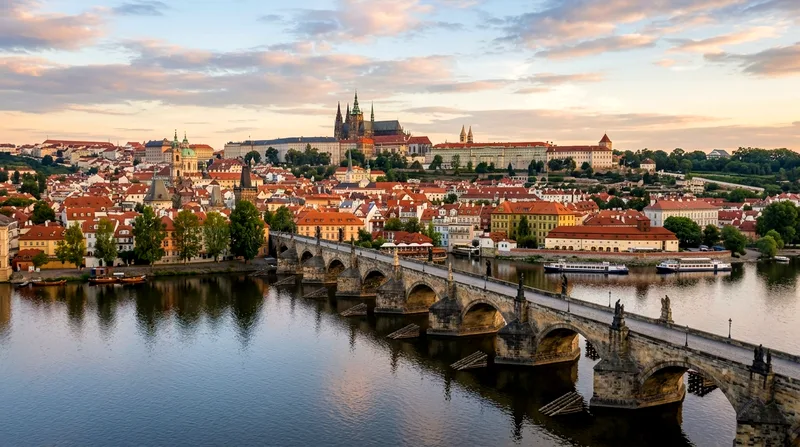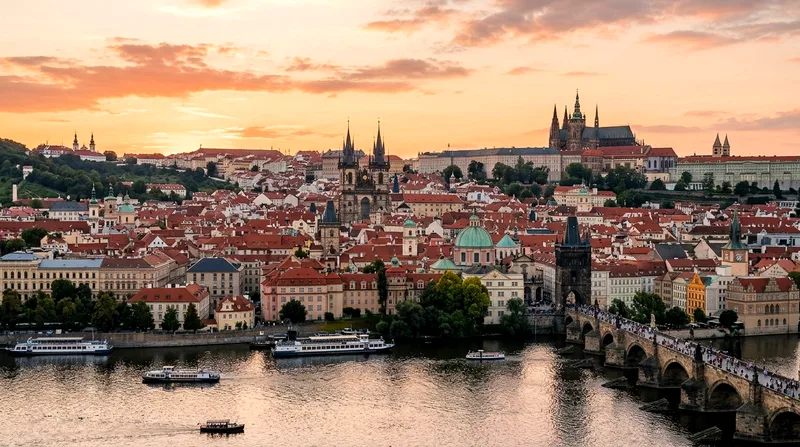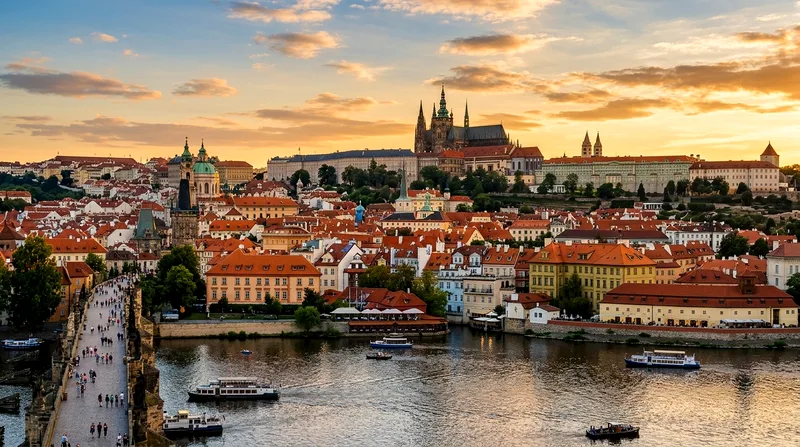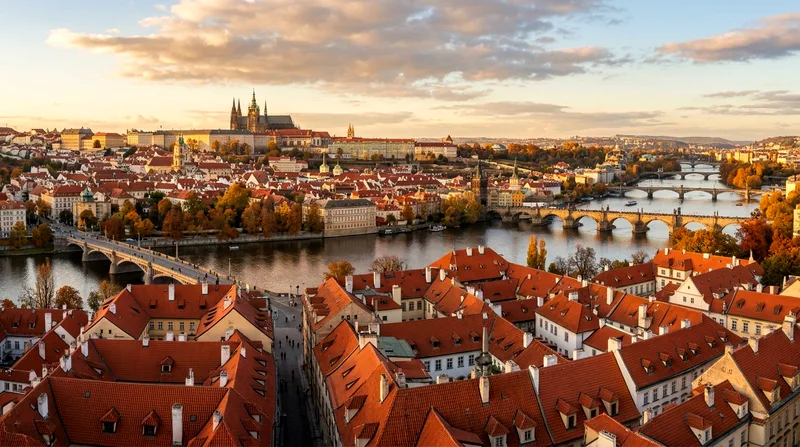
Find the best time to visit Prague. Compare crowds, tour prices and events season by season to pick the ideal month for your travel style and budget.
Prague Best Time to Visit at a Glance
The short answer: if you want the best mix of mild weather, manageable crowds and reasonable tour prices, aim for late April to early June or mid-September to mid-October. Those windows dodge the worst of summer's heat and crowding while still giving you long daylight hours and outdoor seating at beer gardens along Letná Park.
That said, "best" depends entirely on what you're optimizing for. A couple chasing empty Charles Bridge photos at sunrise wants a different month than a family working around school holidays, and a retiree avoiding ice on cobblestones has different priorities than a backpacker counting every euro. Prague doesn't have a bad season, exactly — it has trade-offs. Summer brings the longest days and the Prague Spring International Music Festival's tail end of programming, but also the thickest crowds of the year at Prague Castle and Old Town Square. Winter brings Christmas markets and near-empty museums, but also 4pm sunsets and temperatures that regularly sit below freezing.
I'd push back on the common advice that spring is unambiguously "the" answer. Spring in Prague is genuinely unpredictable — you can get 18°C sunshine one day and sleet the next, especially in March. If you want reliability over postcard moments, early autumn is steadier.
Late spring and early autumn balance mild weather with manageable crowds, while winter is cheapest but coldest and darkest.
Prague best time to visit by season: crowds, weather and typical costs compared
| Season | Avg. Daytime Temp (°C) | Crowd Level | Price Level | Best For |
|---|---|---|---|---|
| Spring (Mar–May) | 8–18 | Moderate, rising | Moderate | Blooming parks, Easter markets |
| Summer (Jun–Aug) | 20–26 | Very high | High | Long days, festivals, river activities |
| Autumn (Sep–Nov) | 6–18 | Moderate, falling | Moderate | Golden light, fewer queues |
| Winter (Dec–Feb) | -1–4 | Low (except Christmas) | Lowest | Christmas markets, quiet sightseeing |
Figures are typical seasonal ranges and vary year to year; check forecasts closer to your travel dates.
Quick Comparison of Seasons
Spring (March–May) swings widely in temperature, with real blooming and milder crowds arriving only in late April and May. Summer (June–August) is hot, long-dayed and the busiest, with tour prices and hotel rates at their yearly peak. Autumn (September–November) starts warm and golden, then turns cold and grey by late November — but September and early October are arguably the sweet spot of the whole year. Winter (December–February) is cold, often damp, and dark by late afternoon, but it's also the cheapest stretch outside the Christmas market weeks and the only time you'll see Charles Bridge without shoulder-to-shoulder foot traffic.
How Crowds and Prices Shift Through the Year
Crowds build steadily from April, peak hard in July and August, dip slightly in September, spike again for roughly two weeks around the December Christmas markets, then fall to the year's lowest levels in January and February. Tour and ticket prices roughly track this pattern, though they're stickier — popular Prague Castle skip-the-line tickets and river cruises on the Vltava don't necessarily get cheaper in winter, they just get easier to book last-minute. Hotel rates move more than tour prices do, often dropping 30–40% between August and January in the same property.
Spring in Prague: Blooms and Moderate Crowds
Spring is when Prague starts to look like the postcards again after a grey winter — trees along the Vltava leaf out, the cafés put tables outside, and tour groups start reappearing in Old Town Square. It's a genuinely good season, just not the flawless one it's often sold as.
Weather and Daylight in March to May
March in Prague is still winter in most years — daytime highs often hover around 8–10°C, with cold snaps and occasional snow flurries well into the month. April is the transition point, typically ranging from 10–16°C, with rain showers that pass quickly. May is the most reliable spring month, usually 15–20°C with noticeably longer daylight, often past 8:30pm by month's end. If you're set on a spring trip, I'd skip March unless you're coming specifically for lower prices and don't mind packing layers — May delivers far more of what people picture when they imagine "spring in Europe."
Easter Markets and Spring Festivals
Easter markets fill Old Town Square and Wenceslas Square for roughly two to three weeks around the holiday, with wooden stalls selling painted eggs, trdelník and mulled wine — smaller and less crowded than the December markets but with a similar atmosphere. Late spring also overlaps with the start of the Prague Spring International Music Festival, which typically runs from mid-May into early June and brings classical concerts to venues across the city, including some historic churches and the Rudolfinum. Booking concert tickets ahead matters here; popular performances sell out weeks in advance.
Summer in Prague: Peak Season Trade-Offs
Summer is Prague's busiest, priciest, and — depending who you ask — most overrated season. The days are genuinely long, often light until nearly 9:30pm, and the river comes alive with boat traffic and riverside bars. But this is also when Charles Bridge becomes a slow-moving human traffic jam by mid-morning, and when Prague Castle's ticketed interiors require real queue-management strategy.
Heat, Crowds and Tour Demand
July and August regularly hit 24–28°C, occasionally climbing into the low 30s during heatwaves — uncomfortable given how little air conditioning older Prague buildings have. This is also when tour demand peaks: walking tours, Castle tickets and river cruises all see their highest prices and the tightest availability for same-day booking. If you're traveling in summer, book your Prague Castle ticket and any Vltava river cruise at least a few days ahead, ideally a week, especially if you want a specific time slot rather than whatever's left. Compared with Budapest's summer crowds at Fisherman's Bastion or Vienna's queues at Schönbrunn, Prague's Old Town core is arguably more compressed — the historic center is smaller, so the same crowd size feels denser.
Open-Air Events and River Activities
Letná Park hosts outdoor beer gardens and occasional open-air cinema through summer, with sweeping views back over the river toward the Castle — a good antidote to Old Town crowding and genuinely one of my preferred things to do on a hot Prague evening. Boat tours and paddleboat rentals on the Vltava run at full frequency in summer, and this is the one season where evening river cruises make the most sense, since you get both daylight views and a cooler lit-up skyline later on. If you'd rather skip the heat and crowds entirely, consider a day trip to Český Krumlov or Kutná Hora instead — both are quieter than central Prague even in August and make for a useful contrast day mid-trip.
Autumn and Winter: Value and Atmosphere
This is where Prague quietly becomes a better destination than most visitors realize. Autumn gives you warm light and thinning crowds; winter gives you markets, low prices, and a city that feels lived-in rather than overrun.
September to November: Mild Weather and Culture
September is probably the single best month to visit Prague if you had to pick just one — temperatures still sit around 15–20°C, crowds have thinned noticeably from August, and the golden light over the red rooftops is better for photography than the harsher summer sun. October cools further, typically 9–15°C, with the first real autumn color appearing in parks and along the river. November turns colder and greyer fast, often dropping to 5–9°C with more rain, but it's also one of the cheapest months for both flights and tour bookings, and museums and the Castle interiors are noticeably emptier. Compared to Munich or Dresden in the same window, Prague's autumn crowds thin out faster relative to its summer peak, which makes the shoulder season feel like a bigger reward here.
December to February: Christmas Markets and Cold
The Christmas markets in Old Town Square and Wenceslas Square typically run from late November into early January, and they're worth timing a trip around if festive atmosphere matters to you — but know that this two-to-three-week window is a crowd and price spike within an otherwise quiet winter, not representative of winter generally. Once the markets pack up, January and February turn into the cheapest, quietest months of the year in Prague — colder, with daytime highs often just above freezing and real possibility of snow, but also the only time you'll walk across Charles Bridge without dodging selfie sticks every few steps. I'd actually recommend late January over December for budget travelers: you get the empty-city upside without competing with market crowds, just pack for genuinely cold weather and short daylight, often ending by 4:30pm.
Best Month to Visit by Traveller Type
There's no single correct month — it depends on who's traveling and what they're optimizing for.
Couples, Families and Budget Travelers
Couples chasing romantic, less-crowded photo spots should aim for late September or the first half of October — warm enough for evening walks along the river, cool enough to avoid summer's crowds. Families with school-age kids are largely locked into July and August regardless of crowding, so the practical move is booking Castle tickets and any river cruise well ahead and building in downtime at Letná Park rather than trying to pack every sight into one day. Budget travelers get the best value in late January, February, or November — flights and accommodation both drop, and many attractions run shorter winter queues, though you'll trade some daylight hours and need warmer clothing than you'd expect for a European city break.
Photographers and Culture Seekers
Photographers should prioritize September and October for the golden-hour light over the rooftops, or alternatively a cold, clear morning in January when Charles Bridge is genuinely empty at sunrise — a shot that's nearly impossible to get in summer without dozens of people in frame. Culture seekers built around festivals should target late May through early June for the Prague Spring International Music Festival, or the Christmas market weeks for folk crafts and seasonal performances; both compress the "best time" question down to specific dates rather than a broad season, so check festival calendars before locking in flights.
Planning Tours and Tickets Around Your Dates
Once you've picked your season, the next decision is how far ahead to lock in tickets and tours — and this varies more by season than most people expect.
When to Book Ahead
For summer travel, book your Prague Castle ticket, any Vltava river cruise, and popular walking or food tours at least one to two weeks ahead — same-day availability for the best time slots gets thin by July. For the Christmas market weeks, book accommodation and any evening river cruise even earlier, since this short window draws crowds disproportionate to the rest of winter. In spring and autumn shoulder months, booking three to five days ahead is usually enough for most tours, though Prague Spring International Music Festival concerts need booking weeks in advance if you want a specific program. Winter outside the market weeks is the one period where you can often book a day or two ahead and still get a good slot.
Linking to Itineraries and Attraction Tickets
Whatever month you land on, it's worth pairing your Prague Castle ticket with a broader day itinerary that includes Charles Bridge and Old Town Square, since all three sit within easy walking distance and work well as a single half-day loop. If you're visiting in the shoulder seasons, consider adding a day trip to Kutná Hora for the ossuary and historic silver-mining town, or Český Krumlov for a slower, smaller-scale contrast to Prague's density — both pair naturally with a multi-day Prague base. Compare current prices and availability for Prague Castle tickets, river cruises and day-trip tours before you book, since slot availability shifts with the season more than the listed price does.
Frequently asked questions
What is the best month to visit Prague?
September is the strongest all-around choice — warm enough for outdoor sightseeing at 15–20°C, with crowds noticeably thinner than July or August and better light for photos over the Vltava and Prague Castle. May is a close second if you want spring blooms and don't mind slightly higher prices.
When is the cheapest time to visit Prague?
Late January and February are consistently the cheapest months for flights and hotels, once the Christmas markets have packed up. November also offers strong value, with lower accommodation rates and shorter queues at major sights, though you'll trade warmth and daylight for the savings.
When is Prague least crowded?
January and February see the lowest visitor numbers of the year, followed closely by November outside of any holiday weekends. Avoid the two to three weeks around Christmas and New Year, when the markets pull in a short but sharp crowd spike despite the cold.
Is Prague worth visiting in winter?
Yes, with realistic expectations. Daytime highs often sit near or below freezing and it's dark by late afternoon, but you get the Christmas markets (if timed for late November–December), near-empty museums, and photo opportunities at Charles Bridge and Old Town Square you simply won't get in summer.
How many days do you need in Prague in each season?
Three full days works well in any season for the core sights — Prague Castle, Charles Bridge, Old Town Square and a river cruise. In summer, consider a fourth day to pace around crowds and heat; in winter, three days is usually enough since shorter daylight limits how much ground you cover each day.